Potency Guide Learn More

Men's Health

Understanding Sexual Potency: Causes, Care, and Next Steps

Sexual potency refers to a man's ability to achieve and maintain an erection and to experience sexual desire. It can be affected by physical health, mental well‑being, medications, and lifestyle. The information below explains common causes, practical steps that may help, and when to seek professional care.

Overview

What sexual potency means

Potency generally covers erectile function, sexual desire (libido), and overall sexual performance. Variations over time are normal; occasional difficulty does not necessarily indicate a long‑term problem. Persistent or sudden changes merit attention.

Common causes

Factors that can reduce potency

Reduced potency can stem from physical conditions (cardiovascular disease, diabetes, hormonal imbalances, nerve or vascular problems), psychological factors (stress, anxiety, depression), certain medications, substance use (excess alcohol, tobacco), and lifestyle or aging. Often multiple factors contribute.

Lifestyle support

Healthy habits that may improve function

Improving cardiovascular health and overall wellness often helps: regular exercise, balanced diet, adequate sleep, limiting alcohol, quitting smoking, and weight management. Managing stress, improving sleep, and addressing relationship issues can also make a difference. Talk with your clinician before starting supplements or new treatments.

This content is for general informational purposes and is not medical advice. For diagnosis and treatment, consult a licensed healthcare professional in the United States.

Answer

What potency means

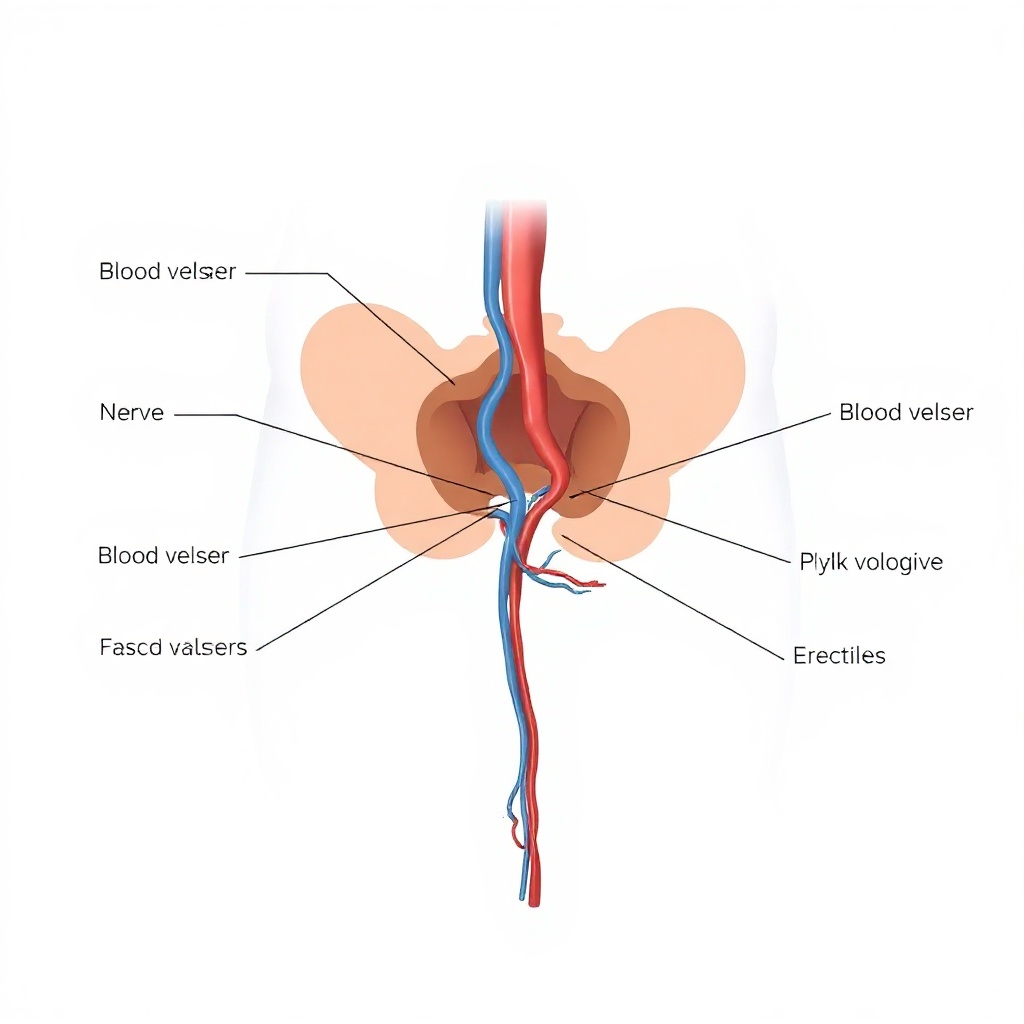
Potency generally refers to the ability to have sexual activity that is satisfactory to you and your partner. It involves blood flow, nerve signals, hormone levels, and psychological factors working together.

Key point A combination of physical and mental health that enables sexual function.

Answer

Why potency can change

Changes in potency can stem from cardiovascular disease, diabetes, hormonal imbalances, certain medications, stress or anxiety, sleep problems, and lifestyle factors such as smoking and excessive alcohol use.

Factors Health conditions, mental health, medications, and lifestyle choices all play a role.

Answer

Lifestyle steps that help

Improving heart health and overall wellbeing supports potency. Regular exercise, a balanced diet, maintaining a healthy weight, quitting smoking, limiting alcohol, managing stress, and getting adequate sleep can all contribute.

Tips Healthy habits and regular medical checkups reduce risk and support sexual function.

Answer

Diagnosis and treatment options

A healthcare provider can evaluate underlying causes through history, exam, and tests. Treatment may include addressing medical conditions, counseling for psychological causes, lifestyle changes, devices or therapies, and medications when appropriate. Discuss benefits and risks with your provider.

Next step See a clinician for personalized assessment and safe treatment recommendations.

Man jogging in a park at sunrise, representing lifestyle factors that support sexual health
Patient consulting with a healthcare provider in a medical office to discuss erectile concerns
Clinical illustration of male pelvic anatomy showing blood vessels and nerves involved in erectile function
Couple having an open, supportive conversation at home, emphasizing emotional and relational aspects of potency